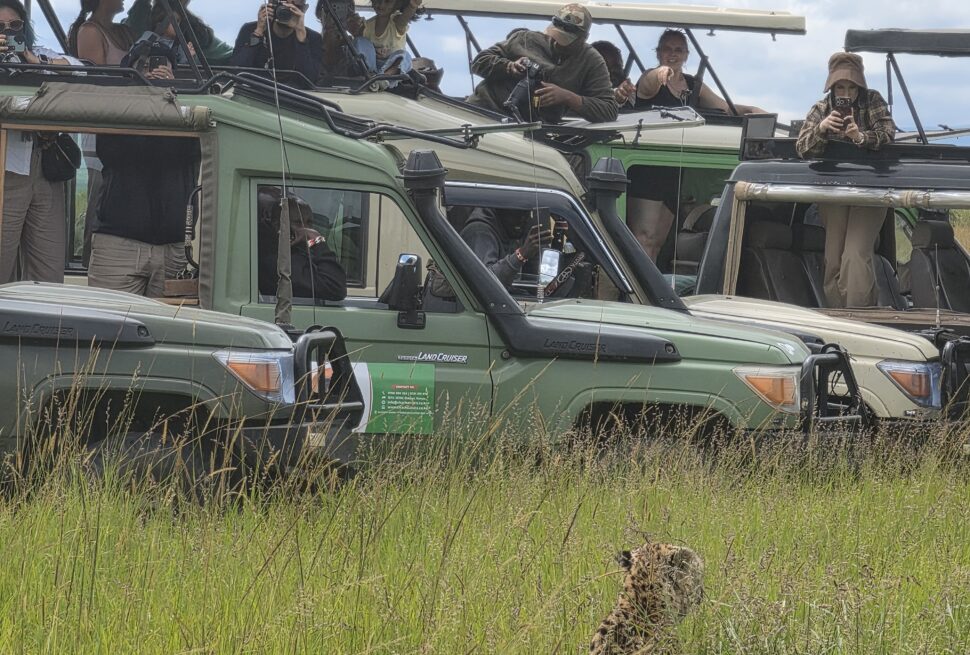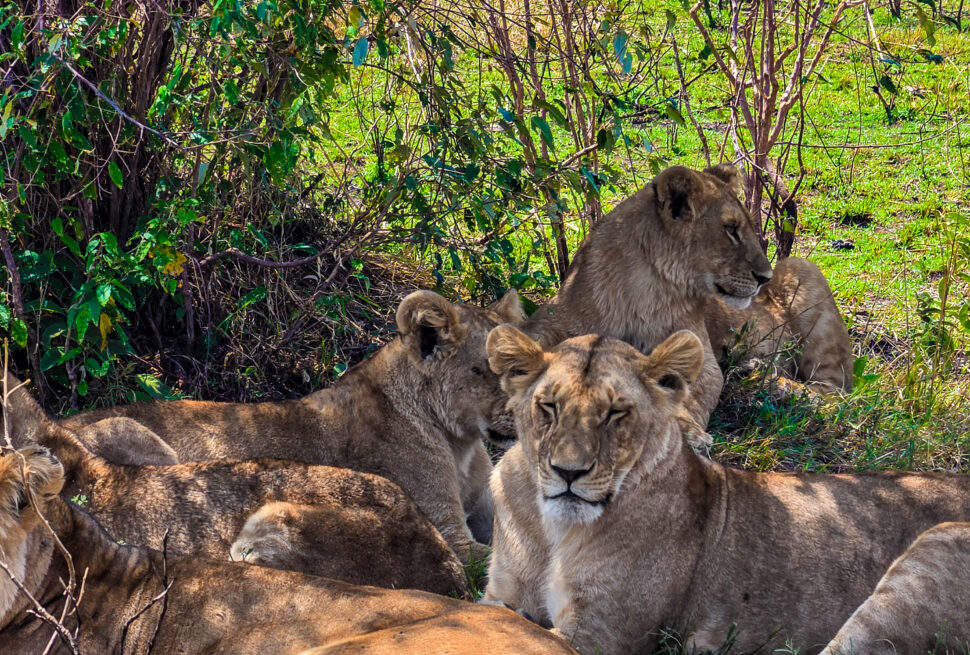
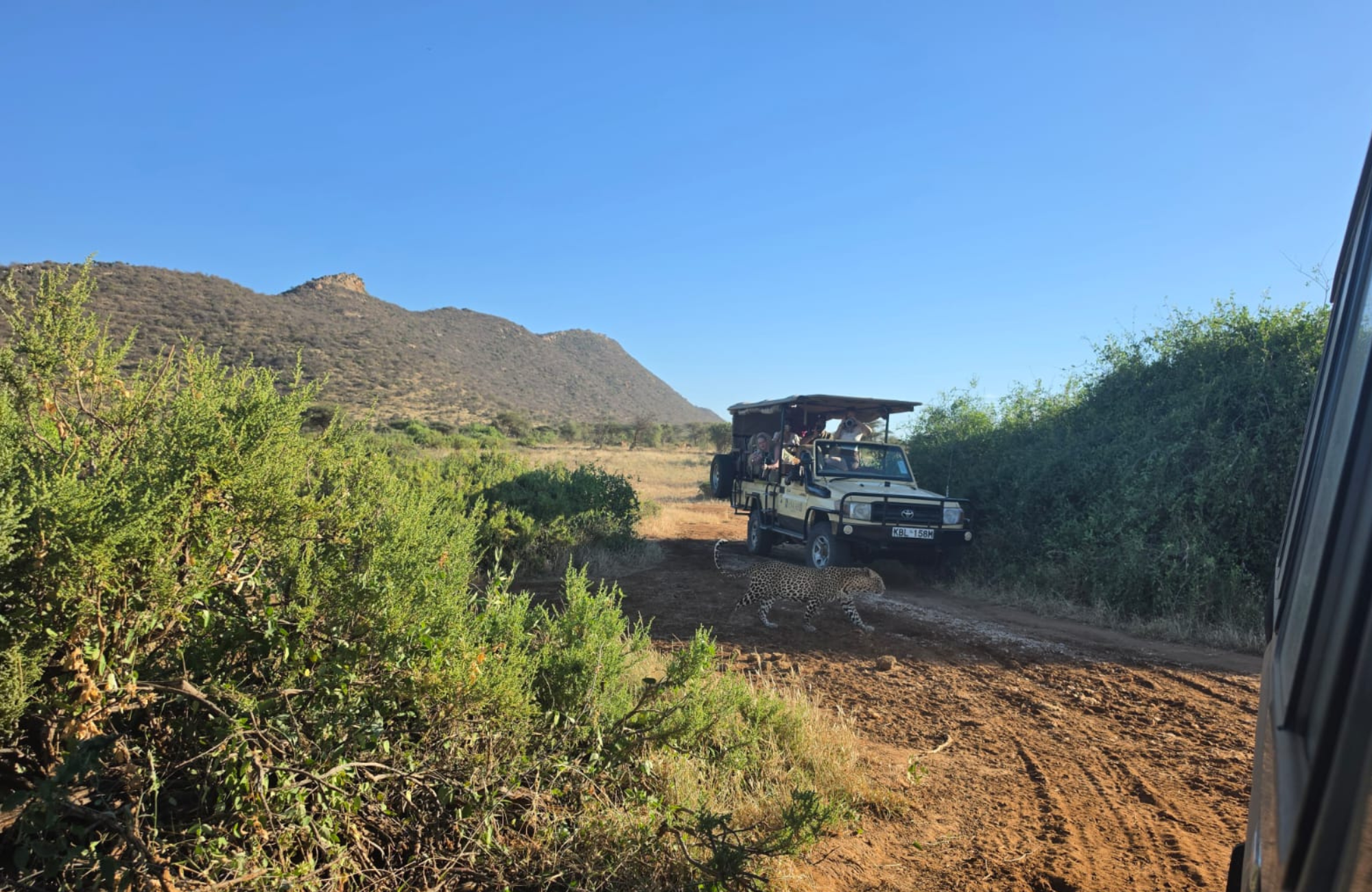
Most first-time Kenya travelers head straight for the Maasai Mara — and rightly so. But ask anyone who has also made it north to Samburu, and they’ll tell you something surprising: it’s an entirely different Kenya. Red earth instead of green plains. Doum palms instead of acacia-dotted grassland. A handful of vehicles at a sighting instead of a dozen. And wildlife you simply won’t find anywhere in the south — the legendary The Samburu Special Five — five extraordinary animals found only in northern Kenya — are reason enough to venture beyond the Mara.
If the Mara is Kenya’s most famous safari, Samburu is its best-kept secret.
What Is the Samburu Special Five?
While the Maasai Mara and Amboseli are built around the Big Five, Samburu has its own exclusive lineup — five species uniquely adapted to Kenya’s arid north, found almost nowhere in the country’s southern parks:
- Grevy’s Zebra — the largest and most endangered zebra species on Earth, with narrow stripes that don’t reach the belly and distinctive large, rounded ears. Fewer than 3,000 remain in the wild.
- Reticulated Giraffe — instantly recognizable by its sharp, geometric coat pattern of large polygonal patches divided by crisp white lines, quite different from the ragged-edged patterning of the Masai giraffe found further south.
- Somali Ostrich — with striking blue-grey legs and neck, found only in the Horn of Africa region.
- Gerenuk — perhaps the strangest and most memorable of the five, a slender antelope that stands upright on its hind legs to browse acacia leaves other herbivores can’t reach.
- Beisa Oryx — a striking, heat-tolerant antelope with long, spear-straight horns, built for survival in genuinely harsh, dry terrain.
None of these five are found in the Maasai Mara. If you want to tick them off, Samburu — and its neighboring Buffalo Springs and Shaba reserves — is really the only place in Kenya to do it.
The Ewaso Nyiro River: The Lifeline of the North
Everything in Samburu orbits one thing: the Ewaso Nyiro River — its name means “brown water” in the local language, and it’s the single reason this stretch of arid northern Kenya supports any wildlife at all. Flowing north from the slopes of Mount Kenya, the river forms the natural boundary between Samburu National Reserve on one bank and Buffalo Springs National Reserve on the other, before eventually dispersing into the Lorian Swamp far to the east.
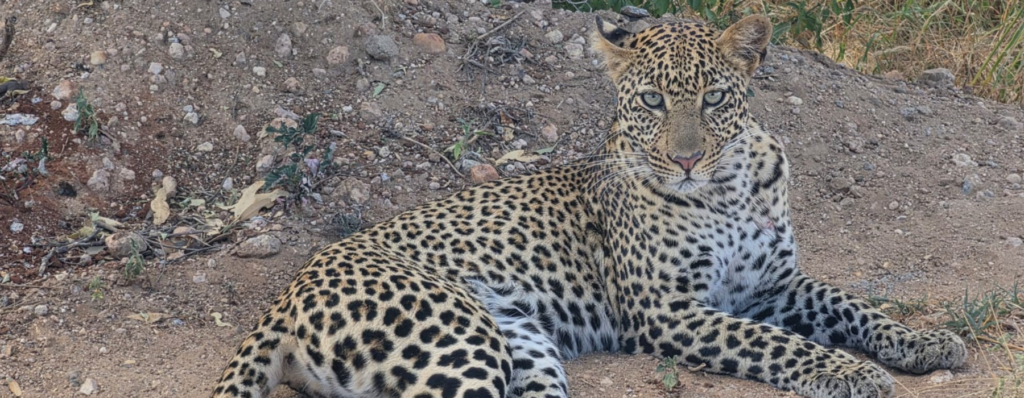
In a landscape that can otherwise crack and brown under the northern sun, the Ewaso Nyiro stays green and alive year-round — a ribbon of doum palms, fig trees, and dense riverine forest cutting through the dry bush. This is where elephant herds, sometimes 50 or more strong, come to drink and bathe each afternoon. It’s where crocodiles sun themselves on the banks, where leopards rest in low acacia branches overhead, and where fish eagles and colorful bee-eaters work the shallows. Watch the baboons near a riverside camp start barking nervously around late afternoon, and there’s a good chance a leopard is moving unseen along the bank nearby — a pattern seasoned guides in the area know well.
A Landscape Unlike Anywhere Else in Kenya
Samburu’s terrain is what truly sets it apart from the rolling green plains most people picture when they imagine an African safari. Here, the scenery shifts constantly: rugged, rocky hill country rises around Koitogor Hill and the dramatic silhouette of Mount Ololokwe in the distance; open, sun-baked plains give way suddenly to dense riverine forest along the water; acacia woodland and dry, seasonal streams called luggas cut across the bush, acting as natural movement corridors for elephant and oryx alike.
It’s a landscape that rewards imagination as much as photography — rugged hills catching the evening light, red dust rising behind a herd of elephants at the water’s edge, the quiet of a reserve with a fraction of the vehicle traffic you’d find further south. Because Samburu sees far fewer visitors than the Mara or Amboseli, sightings here often unfold with just one or two vehicles present — sometimes none at all. For travelers who’ve done a “classic” Kenya safari before and want to feel like they’re somewhere genuinely wild again, this is often the difference that stays with them longest.
The Samburu People: Guardians of the North
Samburu National Reserve isn’t just a wildlife destination — it’s the ancestral homeland of the Samburu people, semi-nomadic pastoralists closely related to the Maasai, known for their striking beadwork, vibrant red-and-orange attire, and deep, generations-old relationship with this land and its cattle.
One of the most memorable cultural experiences available here is witnessing the Singing Wells — a genuinely haunting tradition in which Samburu herders chant rhythmically as they draw water by hand from hand-dug wells for their livestock, a ritual passed down largely unchanged for generations. A visit to a Samburu village offers a further, more personal window into this way of life: traditional dance, the construction of the distinctive manyatta homes, and the chance to purchase genuine handmade beadwork directly from the community — a meaningful, respectful way to support the people who call this land home.
Where to Stay: Options for Every Style
Samburu’s accommodation options sit almost entirely along or near the Ewaso Nyiro River, each offering a slightly different flavor of the north:
- Sopa Lodge Samburu — a comfortable, well-established choice with reliable full-board comfort and easy access to game drives along the river, a solid mid-range base for exploring the reserve.
- Soroi Samburu Lodge — set with sweeping views over the Ewaso Nyiro, offering a quieter, more intimate lodge experience with a strong focus on the surrounding scenery.
- Larsen’s Camp — an elegant, eco-conscious tented camp with a long-standing reputation for genuine conservation values and a classic, understated safari-camp atmosphere directly on the riverbank.
- Ashnil Samburu Camp — a modern tented camp near Buffalo Springs, with a pool and comfortable, contemporary tented rooms, well positioned for exploring both sides of the river ecosystem.
Whichever you choose, the common thread is the same: proximity to the river, and with it, the wildlife that depends on it.
Combining Samburu With the Rest of Kenya
Samburu works beautifully as part of a longer Kenya circuit rather than a stand-alone trip. A popular and highly rewarding combination pairs Samburu with Ol Pejeta Conservancy (home to the last two northern white rhinos on Earth), Lake Nakuru (flamingos, rhino, and tree-climbing lions), and Lake Naivasha (a relaxed boat safari and Crescent Island walk) — creating a well-rounded northern-and-Rift-Valley circuit that most visitors never experience, since the vast majority of Kenya itineraries stop at the Mara and Amboseli alone.
For travelers who’ve already done a classic southern safari, or simply want to see a side of Kenya far fewer tourists reach, this northern extension is one of the most rewarding additions available.
Plan Your Samburu Safari With Savanna Sojourns
Samburu rewards travelers willing to go further north — rarer wildlife, dramatic hill-and-river scenery, and a genuine sense of space that’s increasingly hard to find elsewhere in Kenya. At Savanna Sojourns Safaris, we can build Samburu into your itinerary as a stand-alone escape or combine it seamlessly with Ol Pejeta, Lake Nakuru, and Lake Naivasha for a complete northern Kenya circuit.
Ready to explore Kenya’s wilder side? Get in touch with our team or browse our tour packages to start planning.