Last updated: July 2026
Most Kenya safari mistakes aren’t about wildlife at all — they’re about planning decisions made weeks before the trip even starts. A wrong luggage choice, an under-budgeted itinerary, or a poorly timed booking can quietly turn what should be a once-in-a-lifetime trip into a stressful one.
Here are the twelve mistakes we see first-time safari travelers make most often, and exactly how to avoid each one.
1. Packing a Hard-Shell Suitcase
If your itinerary includes any light aircraft transfer — common for routes into the Maasai Mara, Samburu, or Amboseli — a hard-shell suitcase simply won’t fit in the cargo hold. Most light aircraft enforce a strict 15kg soft-bag limit per person. Travelers who show up with wheeled hard-shell luggage often have to repack on the spot, leaving items behind or paying for extra transport arrangements. Use a soft duffel bag from the start.
2. Trying to Cram Too Many Parks Into Too Little Time
It’s tempting to build an itinerary hitting the Mara, Amboseli, Nakuru, and Samburu all in one week. In practice, this means more time in transit and less time actually on game drives — plus the fatigue of repacking and moving camps every night or two. A slower itinerary covering two or three parks properly almost always produces a better experience than a rushed one covering five.
3. Booking During Peak Migration Season Without Adjusting Expectations (or Budget)
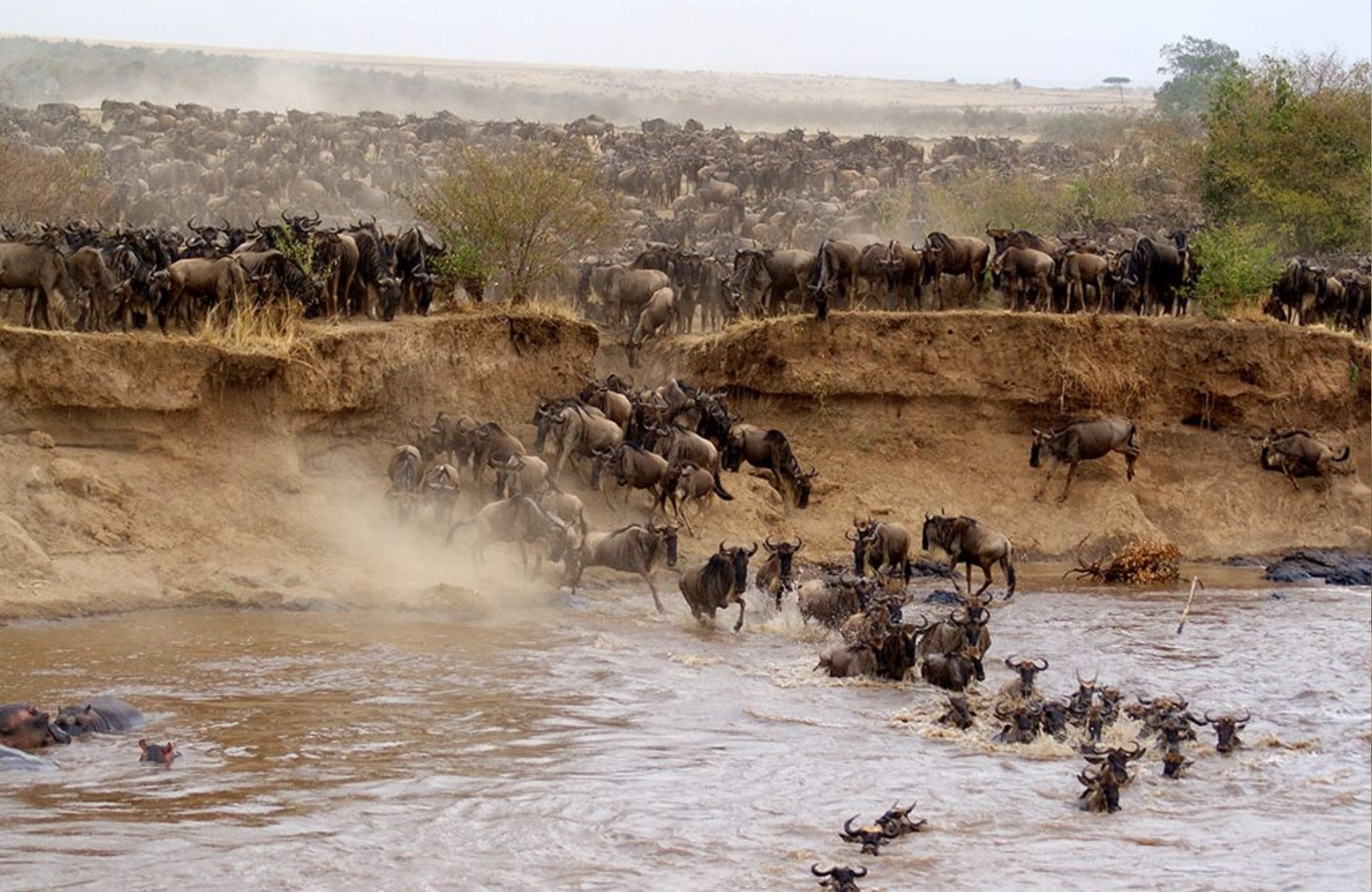
The Great Migration’s river crossings (roughly July–October) are genuinely spectacular, but this is also when Maasai Mara Reserve fees roughly double compared to the January–June low season, camps fill up months in advance, and vehicle density at popular crossing points is significantly higher. If crowds bother you or budget is tight, consider shoulder-season travel or a private conservancy stay instead of the main reserve during peak months.
4. Not Confirming What’s Actually Included in Your Package
Park fees, conservancy fees, airstrip transfers, and government levies aren’t always bundled into a quoted safari price — and the gap between “all-inclusive” and “mostly-inclusive” packages catches people out at checkout. Before booking, get an explicit, itemized answer on what’s covered: park entry, conservancy fees, transport between camps, drinks, laundry, and tips.
5. Underestimating How Much Cash to Bring for Tips
Guides, camp staff, and drivers are typically tipped in cash, and ATMs are not readily available once you’re out in the bush. Arriving without enough small-denomination cash (USD or Kenyan Shillings) for the length of your trip is one of the most common last-minute scrambles travelers report. Budget and withdraw this before you leave Nairobi, not after.
6. Ignoring Malaria Prevention
There’s no legal requirement to take malaria prophylaxis to enter Kenya, but risk is present across nearly all safari regions. Skipping this conversation with a doctor because “it’s not required” is a common and avoidable mistake — discuss your specific itinerary with a travel health clinic well before departure, since options and timing vary by medication.
7. Assuming a Kenya eTA Covers Multi-Country Trips
Travelers combining Kenya with Tanzania (including Zanzibar), Uganda, or Rwanda are sometimes surprised to learn their Kenya eTA doesn’t extend to these countries. Each requires its own visa or authorization, and re-entry rules can be stricter than expected on single-entry documents. Confirm the exact requirements for every country on your route well in advance.
8. Wearing the Wrong Colors on Game Drives
Bright colors like white, red, and blue can startle wildlife and stand out uncomfortably in group photos, while all-black and all-navy clothing can attract tsetse flies in certain regions. Neutral tones — khaki, olive, tan — are the standard for a reason.
9. Not Researching Operator Reputation Before Booking
Safari pricing varies enormously, and the cheapest option isn’t always cheap for a good reason — sometimes it reflects genuinely different vehicle quality, guide experience, or camp standards. Before booking with an unfamiliar operator, check recent reviews, ask specifically about guide qualifications, and confirm vehicle specifications (pop-top roof, window seats for everyone, working radio communication with other vehicles).
10. Overpacking Camera Gear You Won’t Use
It’s common for first-time safari photographers to bring three lenses, multiple bodies, and a full tripod setup, only to use one zoom lens for 90% of the trip. Space and weight are genuinely limited, especially on light aircraft transfers. One versatile zoom lens (roughly 100-400mm range) covers most safari photography needs better than an overloaded bag.
11. Skipping Travel Insurance
Safari destinations are remote by nature — medical evacuation, weather delays, and last-minute itinerary changes are all realistic scenarios that standard travel insurance (or none at all) may not adequately cover. Look specifically for a policy that includes medical evacuation coverage for remote areas, not just standard trip cancellation.
12. Forgetting That Camps and Lodges Have Limited Connectivity
Many safari camps, particularly in conservancies and more remote parks, have limited or no Wi-Fi, and charging facilities may be solar-powered and limited to certain hours. Travelers who assume they’ll stay fully connected — for work calls, video uploads, or constant messaging — are often caught off guard. Set expectations with anyone waiting to hear from you before you go, and pack a power bank as backup.
Frequently Asked Questions
What is the biggest mistake first-time safari travelers make? Cramming too many parks into too short a trip is one of the most common — it leads to more time in transit and less time actually on game drives, often for a similar total cost to a slower, better-paced itinerary.
Do I need to bring cash on a Kenya safari? Yes — for tips especially, since ATMs aren’t reliably available once you’re outside major towns. Bring enough small-denomination cash for the full length of your trip.
Is malaria medication necessary for a Kenya safari? It’s not a legal entry requirement, but malaria risk exists across most safari regions, and skipping the conversation with a doctor is a commonly regretted decision. Discuss your specific itinerary with a travel health provider before departure.
Can I use my Kenya eTA to visit Tanzania or Uganda too? No — each country requires its own separate visa or entry authorization, even on a combined itinerary. Confirm requirements for every country on your route in advance.
What should I pack instead of a hard-shell suitcase? A soft-sided duffel bag, ideally 50-65 liters, without a rigid frame — required for light aircraft transfers common on Kenya safari routes.
This guide reflects general safari planning advice as of July 2026. Specific requirements and conditions can vary by itinerary and operator — always confirm details for your specific trip with your tour operator before departure.