Last updated: July 2026
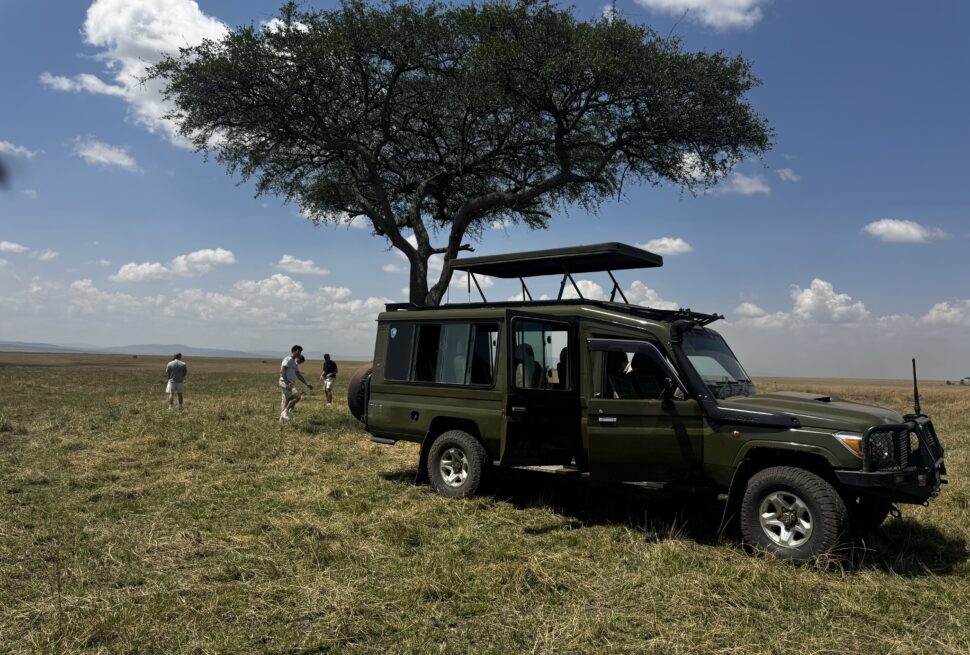
Most first-time visitors plan their trip around the Maasai Mara National Reserve and stop there. But bordering the reserve is a network of private conservancies — community-owned land where the safari experience is genuinely different: fewer vehicles, off-road driving, night game drives, and walking safaris, none of which the main reserve allows.
If you’ve already researched the reserve itself, this guide covers the part most competitor content skips: which conservancy actually fits your trip, what makes each one different, and what you’ll pay.
What Are the Maasai Mara Conservancies?
The Mara conservancies are privately managed wildlife areas on land owned by Maasai communities, who lease it to safari camp operators rather than farming or grazing it exclusively. In return, the community earns steady income from tourism, wildlife gets protected habitat, and visitors get an experience the crowded main reserve can’t offer.
Together, the conservancies add roughly 350,000 acres to the greater Mara ecosystem — land where wildlife moves freely, since there are no fences between conservancies and the national reserve.
What conservancies allow that the main reserve doesn’t:
- Off-road driving to follow wildlife away from tracks
- Night game drives
- Walking safaris with an armed guide
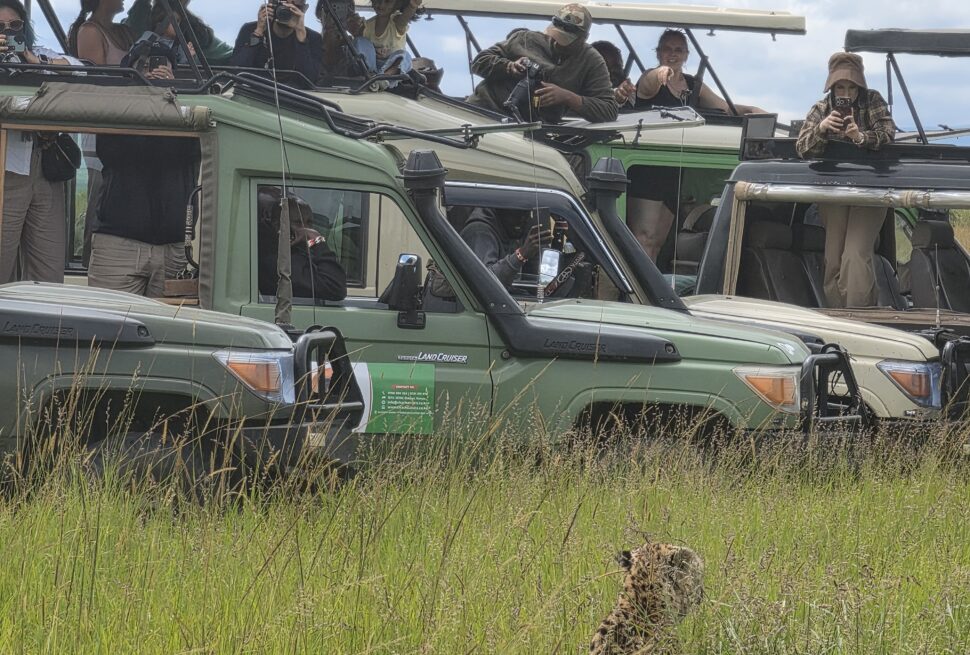
- Strict visitor limits — typically one guest per 350 acres, keeping vehicle density low even during peak season
One important rule to know: conservancy vehicles can enter the national reserve, but reserve-based vehicles cannot enter the conservancies. If you’re staying in a conservancy camp, you can typically still visit the reserve for a day trip (useful during migration season for river crossings) — but the reverse isn’t true.
The Big Four Conservancies
Of the fourteen or so conservancies in the Mara ecosystem, four are consistently ranked as the most established and camp-dense — often called the “Big Four.”
Mara North Conservancy
The largest of the group, bordering the reserve to the north. Mara North is known for its versatility — strong wildlife density year-round and good positioning for migration season, making it a popular pick for travelers who want one conservancy that does most things well.
Best for: first-time conservancy visitors who want a strong all-rounder. Known for: general wildlife density, good migration positioning, varied terrain.
Mara Naboisho Conservancy
“Naboisho” means “come together” in the Maa language, and the name reflects how it was built — over 500 Maasai landowner families collaborating to conserve the land as a single unit. It’s widely cited as one of the strongest examples of the conservancy model working as intended.
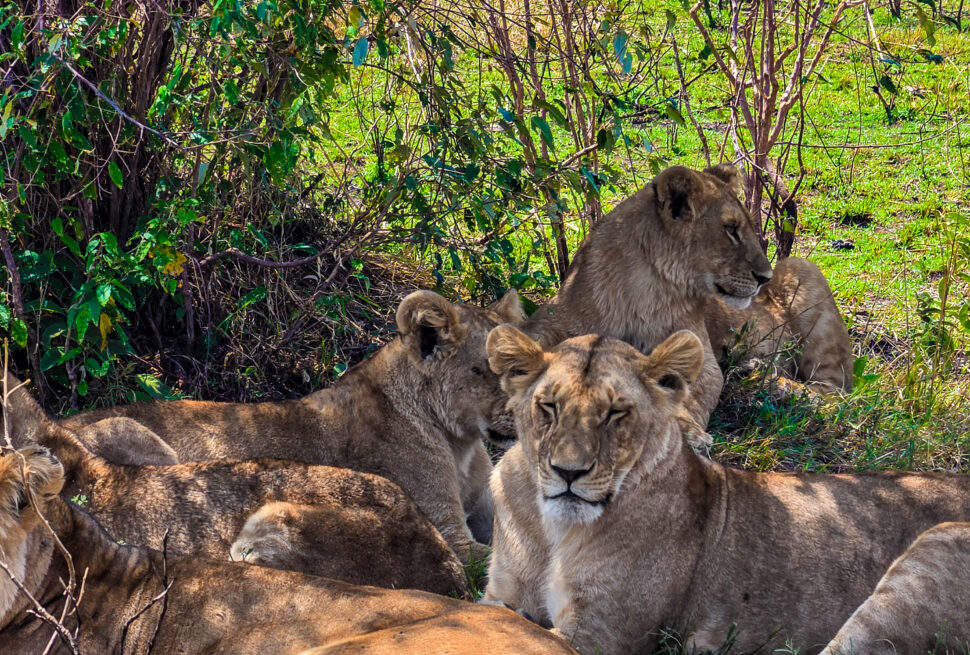
Naboisho is known for having one of the highest lion densities in Africa, alongside strong leopard and cheetah sightings, thanks to its varied terrain of rolling hills, dense croton thickets, and open valleys.
Best for: big cat enthusiasts and photographers. Known for: exceptional lion, leopard, and cheetah density; varied landscape.
Olare Motorogi Conservancy
A smaller, more secluded conservancy northwest of the reserve, Olare Motorogi is known for an unusual combination: the highest concentration of lions per square kilometer in the ecosystem, paired with one of the lowest tourist densities. It’s also home to over 50 raptor species, making it a strong pick for birdwatchers as well as big cat fans.
This is the conservancy where Sir Richard Branson’s Mahali Mzuri camp is located.
Best for: travelers prioritizing exclusivity and predator sightings over budget. Known for: lion density, low crowding, birdlife.
Ol Kinyei Conservancy
The smallest and generally most affordable of the Big Four, Ol Kinyei was actually the first conservancy established in the Mara ecosystem and is often cited as the model the others followed. It offers the same low-density, off-road, night-drive experience at a more accessible price point.
Best for: travelers who want the conservancy experience without top-tier luxury pricing. Known for: being the original conservancy model; strong value.
Other Notable Conservancies
Beyond the Big Four, the wider Mara ecosystem includes conservancies like Enonkishu (intimate and community-focused), Olderkesi, Lemek, Nashulai, Pardamat, Siana, and Olarro North and South. These vary widely in size, camp density, and focus — some lean heavily into community-led conservation models, others into low-camp-count exclusivity. If a specific camp you’re considering sits in one of these, it’s worth asking the operator directly how established the conservancy’s conservation program is, since quality varies more here than among the Big Four.
Conservancy Fees: What to Expect
Conservation fees for the private conservancies typically run $80–$150 per person per night, separate from the Maasai Mara National Reserve’s own entry fee. This is almost always built directly into your camp’s nightly rate rather than charged separately at a gate — one of the conveniences of the conservancy model compared to the reserve.
Keep in mind: a conservancy conservation fee does not include reserve entry. If your itinerary includes a day trip into the national reserve itself — common during migration season to reach river crossing points — that’s a separate fee on top of your conservancy stay.
Conservancy or National Reserve — Which Should You Choose?
If your priority is witnessing a Mara River crossing during peak migration season (July–October), you’ll likely still want time in the national reserve itself, since crossing points sit within reserve boundaries. Many conservancy camps build this in as a day excursion.
If your priority is a quieter, more flexible safari experience — off-road tracking, night drives, walking safaris, and significantly fewer vehicles at every sighting — a conservancy stay, or a combination of a few nights in each, is generally the stronger choice.
Many experienced Mara traveler’s split their stay: a few nights in a conservancy for the exclusivity and flexibility, plus a day or two in the reserve itself during migration season for the crossings.
Frequently Asked Questions
What is the difference between the Maasai Mara National Reserve and a conservancy? The reserve is managed by Narok County Government and open to any licensed operator, with no limit on off-road driving restrictions being lifted or night drives allowed. Conservancies are privately managed on community-owned land, with strict visitor limits, off-road driving, night drives, and walking safaris permitted.
Which is the best Mara conservancy for photography? Naboisho and Olare Motorogi are the most frequently recommended for photographers, given their exceptional big cat density and lower vehicle numbers at sightings.
Can I visit the national reserve if I’m staying in a conservancy? Yes — conservancy-based vehicles can enter the national reserve, typically for a day trip, though this involves a separate reserve entry fee. The reverse isn’t true: reserve-based vehicles cannot enter private conservancies.
Are conservancy fees included in safari packages? Most conservancy camps include the conservation fee directly in their nightly rate. Always confirm this explicitly with your operator before booking.
Which conservancy is best for budget travelers? Ol Kinyei is generally the most affordable of the Big Four while still offering the full conservancy experience — off-road driving, night drives, and low visitor density.
Conservancy fees, camp operators, and specific policies can change. This guide reflects information verified as of July 2026 — always confirm current details with your safari operator or the specific camp before booking.