Maasai Mara vs Serengeti is easily the most-asked question in East African travel planning, and if you’ve searched for an answer, you’ve probably come away no closer to deciding. At some point, almost everyone planning their first African safari hits the same fork in the road: Kenya’s Maasai Mara, or Tanzania’s Serengeti? It’s easily the most-asked question in East African travel planning, and if you’ve spent any time searching for an answer, you’ve probably noticed most articles land on some version of “it depends” and leave you no closer to actually deciding.
So let’s do this differently. Rather than another spec-sheet comparison, here’s what actually matters when you’re the one paying for the trip — broken down by the things real travelers tell us they’re weighing when they call us to plan a safari.
First, the Honest Bit: They’re the Same Wildlife, Different Neighborhoods
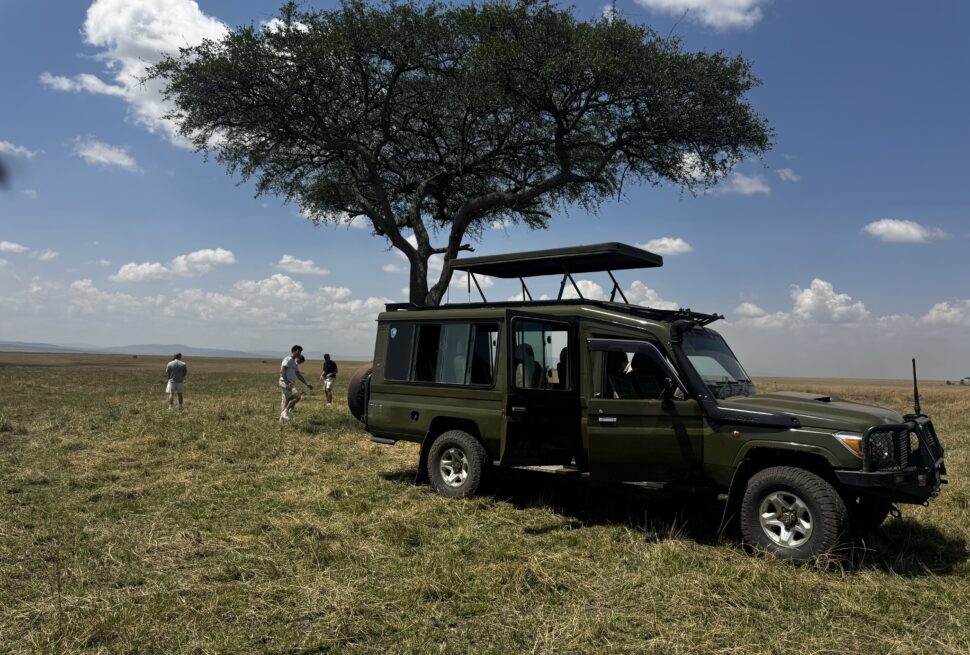
Here’s something worth knowing before anything else — the Maasai Mara and the Serengeti aren’t really two separate destinations competing for your attention. They’re one continuous, unfenced ecosystem that happens to straddle a border. The same wildebeest herds, the same lion prides, the same river system move between them depending on the season. The animals aren’t aware they’ve crossed from Tanzania into Kenya; they’re just following the rain and the grass.
What genuinely differs is the experience of visiting each side — the scenery, the crowds, the logistics of getting there, and what your money buys once you’re on the ground. That’s the real decision.
How Big Is Big? Size and What It Actually Means for You
The Serengeti is enormous — around 14,750 square kilometers, roughly ten times the size of the Maasai Mara’s main reserve (about 1,510 square kilometers, though the private conservancies bordering it add another 2,000 square kilometers or so of additional wildlife habitat).
What does that mean in practice? In the Serengeti, you can genuinely drive for an hour without passing another vehicle — the scale itself creates a sense of remoteness that’s hard to manufacture anywhere else. The Mara, being far more compact, concentrates its wildlife into a smaller space, which usually means shorter drives between sightings and a higher density of animals per square kilometer. Neither is “better” here — it’s a genuine trade-off between vastness and concentration.
The Crowd Question (This Is the One People Actually Care About Most)
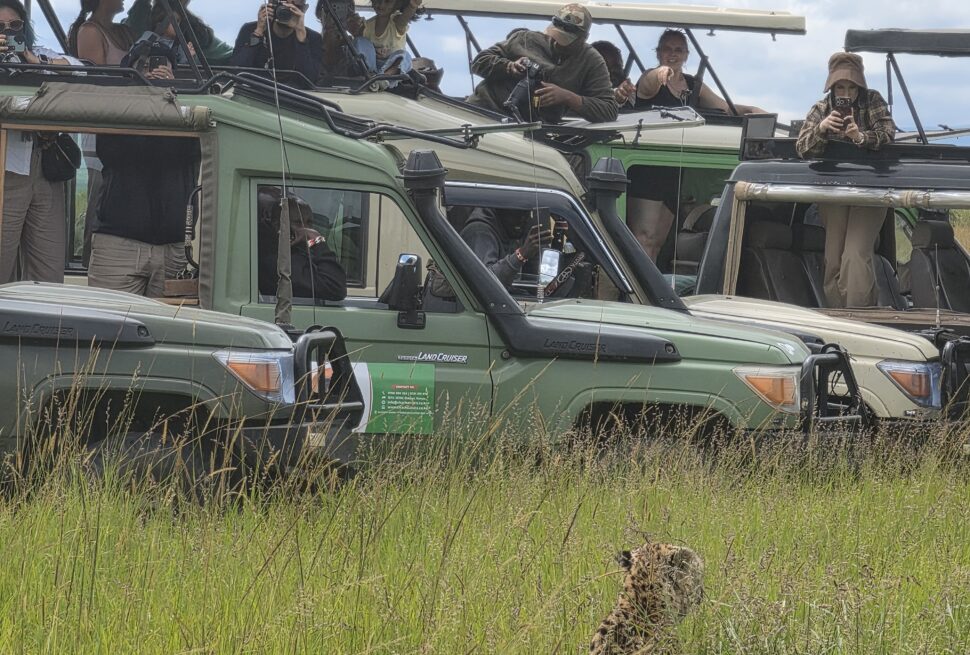
Let’s be honest about this one, because it’s the complaint we hear most from returning travelers. During peak migration season (July–October), the main Maasai Mara reserve can get genuinely busy — twenty or more vehicles at a popular sighting isn’t unusual, and it can take the romance out of a big cat encounter fast.
The Serengeti’s sheer size means crowding is less of an issue overall, though it isn’t crowd-free everywhere either — popular spots during peak crossing weeks still draw a lot of vehicles.
Here’s the part most comparison articles gloss over, though: the Mara has a genuine answer to this problem, and it’s one of the best-kept secrets in Kenya safari planning — the private conservancies bordering the main reserve (places like Mara North, Naboisho, and Olare Motorogi). These are Maasai-owned lands leased to a limited number of safari camps, with strict caps on vehicle numbers per sighting. Staying in a conservancy also unlocks things the main reserve doesn’t allow at all — night drives, guided walking safaris, and off-road driving to follow wildlife rather than sticking to fixed tracks. If crowding is your biggest worry about the Mara, a conservancy stay solves it almost entirely, and it’s something we build into itineraries regularly.
Getting There: A Bigger Difference Than People Expect
This is where the Mara has a genuinely practical edge, especially for anyone tight on vacation days. From Nairobi, you’re looking at a short domestic flight (around 45 minutes) or a 5–6 hour road transfer to reach the Mara. The Serengeti, by contrast, typically means flying into Kilimanjaro International Airport, then continuing on to Arusha and through the Ngorongoro Conservation Area — a longer, more involved journey, though one that rewards you with the Crater along the way if you have the time.
If your holiday is a week or less, this difference alone can be decisive. If you have ten days or more, the extra travel time to reach the Serengeti stops being much of an obstacle at all.
Migration Timing: Neither Park “Owns” It
A lot of people don’t realize the Great Migration isn’t a single event you either catch or miss — it’s a year-round cycle, and where the herds are depends entirely on when you travel:
- January–March: Calving season on the Serengeti’s southern plains (Ndutu area) — hundreds of thousands of calves born within weeks, and predators are never far behind
- May–June: Herds move north through the Serengeti, with Grumeti River crossings
- July–October: The famous Mara River crossings — both the Kenya side (Mara) and, slightly earlier, the Tanzania side near Kogatende in the northern Serengeti
- November–December: Herds begin drifting south again as the short rains arrive
The takeaway: if you specifically want the dramatic river-crossing spectacle, both the Mara and the northern Serengeti deliver it in roughly the same July–October window — the Kenya-side crossings are simply the more famous, most-photographed version.
Rhinos, Big Cats, and the Big Five Question
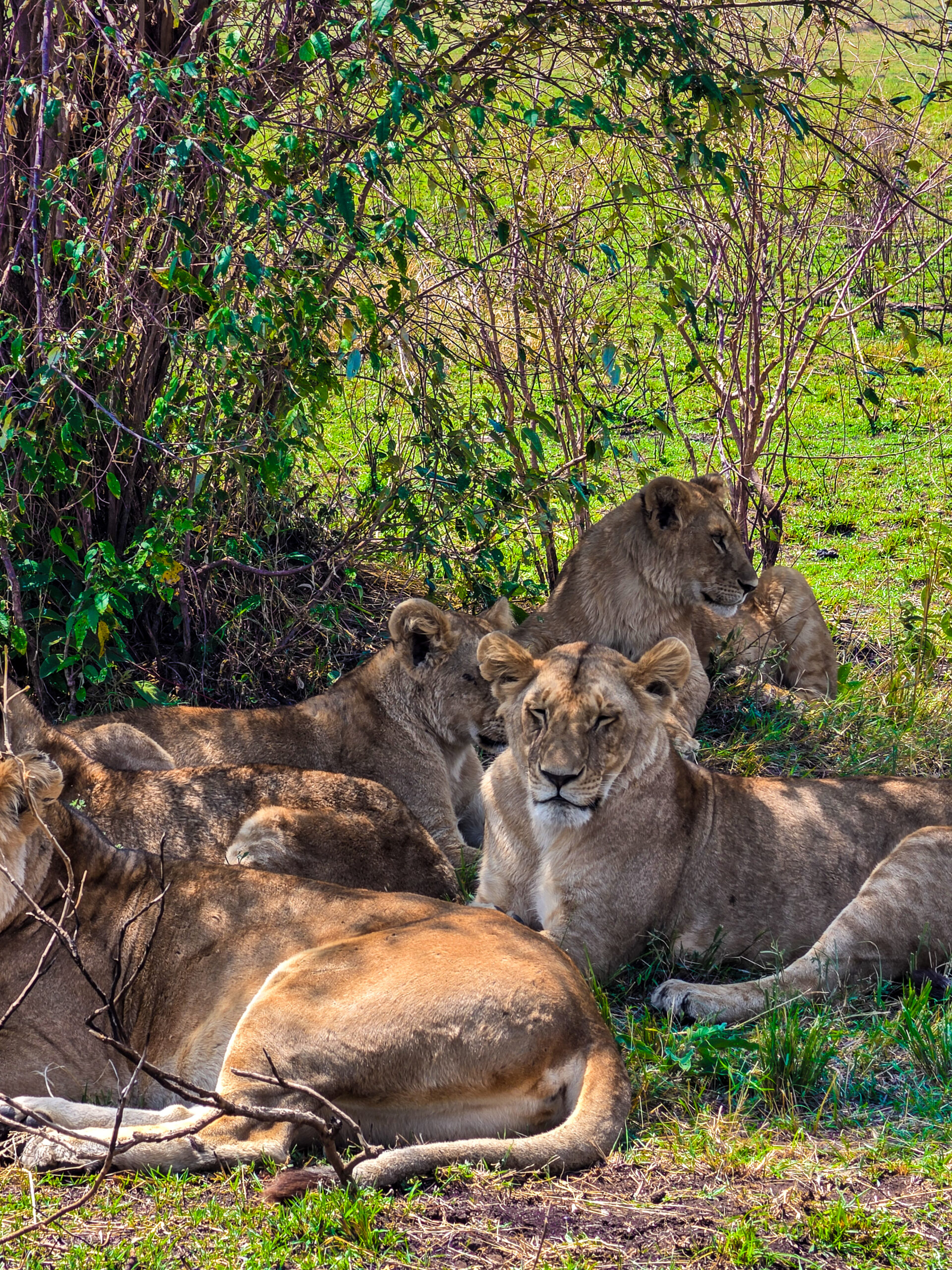
If completing the Big Five matters to you, this is worth knowing: rhinos are genuinely rare in the vast Serengeti, while the Mara — and especially its conservancies — gives you meaningfully better odds of a rhino sighting. On lion density, the Mara has long had a reputation for exceptional big cat viewing (this is the landscape behind decades of wildlife documentaries), while the Serengeti’s scale means predator sightings can feel more solitary and personal when you do find them.
Maasai Mara vs Serengeti: Which Wins on Cost?
Mara park fees run high in peak season (around $200 per person, per day), which sounds steep until you factor in that the Serengeti carries its own additional concession fees on top of park entry, often bringing the real cost closer together than people expect. Broadly, budget-to-luxury pricing spans a similar range on both sides — roughly $150–$350 per person per day at the budget end, up to $800–$2,500+ for top-tier lodges and camps in either destination.
So — Which Should You Actually Choose?
Choose the Maasai Mara if: you have a week or less, you’re traveling from Nairobi or combining it with other Kenya parks, you want the highest odds of a rhino sighting, or you’d rather stay in a private conservancy for a quieter, more flexible safari with night drives and walking safaris included.
Choose the Serengeti if: you have ten or more days to spend, you want to pair it with the Ngorongoro Crater, you’re drawn to the feeling of genuine, uncrowded vastness, or your travel dates land outside the July–October window and you specifically want to catch calving season.
Can’t decide? You don’t have to. For travelers with enough time, combining both sides of the ecosystem into one trip is increasingly common — and honestly, it’s the single best way to understand why this whole debate exists in the first place.
Let Savanna Sojourns Help You Decide
Whichever way you’re leaning, the right choice really does come down to your travel dates, your available time, and what you personally want most from a safari. As a Kenya-based operator, we know the Mara and its conservancies intimately, and we’re happy to give you an honest read on whether the Mara alone suits your trip, or whether it’s worth planning a longer circuit that takes in the Serengeti too.
Still weighing your options? Get in touch with our team for honest, personalized advice, or browse our Maasai Mara safari packages to see what’s possible.