Last verified: July 2026
Kenya travel requirements changed significantly in January 2024, when the country replaced its traditional visa system entirely with a digital Electronic Travel Authorization (eTA). If you’re still reading advice about “Kenya visa on arrival” or the old e-visa portal, that information is outdated — and acting on it could get you denied boarding before you even reach Nairobi.
This guide covers exactly what you need in 2026: the eTA application process, who’s exempt, yellow fever certificate rules, and which other vaccinations are genuinely worth getting versus which ones are just travel-clinic upselling.
Quick-Reference: What You Need for Kenya in 2026
| Requirement | Applies To | Details |
|---|---|---|
| eTA (Electronic Travel Authorization) | Most international visitors | ~$30–34 USD, apply at etakenya.go.ke |
| Visa-free entry | Most African Union / EAC countries | No eTA needed — check current exemption list |
| Yellow Fever certificate | Travelers arriving from/transiting yellow fever-endemic countries | Not required for direct flights from Europe, US, or similar low-risk regions |
| Passport validity | All travelers | Minimum 6 months beyond your planned stay |
| Malaria prophylaxis | Recommended, not required | High risk across most safari regions |
This table is a starting point, not a substitute for checking your specific nationality and routing against the official eTA portal and a licensed travel health provider before booking.
Kenya’s Visa System: What Changed in 2024
Since January 2024, Kenya no longer issues traditional visas or visa-on-arrival for most nationalities. Instead, nearly all international visitors — including infants and children — must obtain an Electronic Travel Authorization (eTA) before boarding their flight.
Key facts about the eTA:
- Where to apply: Only through the official government portal, etakenya.go.ke. Third-party “visa” websites often charge inflated fees for the same free-to-apply process, or in worse cases, misuse your passport data.
- Cost: Approximately $30–34 USD, depending on current rates — confirm the exact fee on the official portal at the time of application.
- Processing time: Typically around 3 business days, though applying at least 2 weeks before travel is strongly recommended to account for delays.
- Validity: A standard eTA typically allows a 90-day stay; some multiple-entry options extend over several years.
- Every traveler needs their own application — including children traveling on a parent’s passport. This is not an exemption, just a clarification that trips up many families.
Who’s Exempt from the eTA?
Citizens of most East African Community (EAC) and African Union member states can currently enter Kenya visa-free for up to 60 days, without applying for an eTA at all. This includes travelers from Uganda, Tanzania, Rwanda, Burundi, South Sudan, and the DRC, who can typically enter with a national ID or passport under regional agreements.
Exemption lists change, so always verify your specific nationality’s status directly on the official eTA portal before assuming you’re exempt.
Planning a Multi-Country Safari? Consider the East Africa Tourist Visa
If your itinerary includes Kenya alongside Uganda and Rwanda — a common combination for travelers pairing a Maasai Mara safari with gorilla trekking — the East Africa Tourist Visa (EATV) may be more cost-effective than three separate applications. It covers all three countries under a single visa.
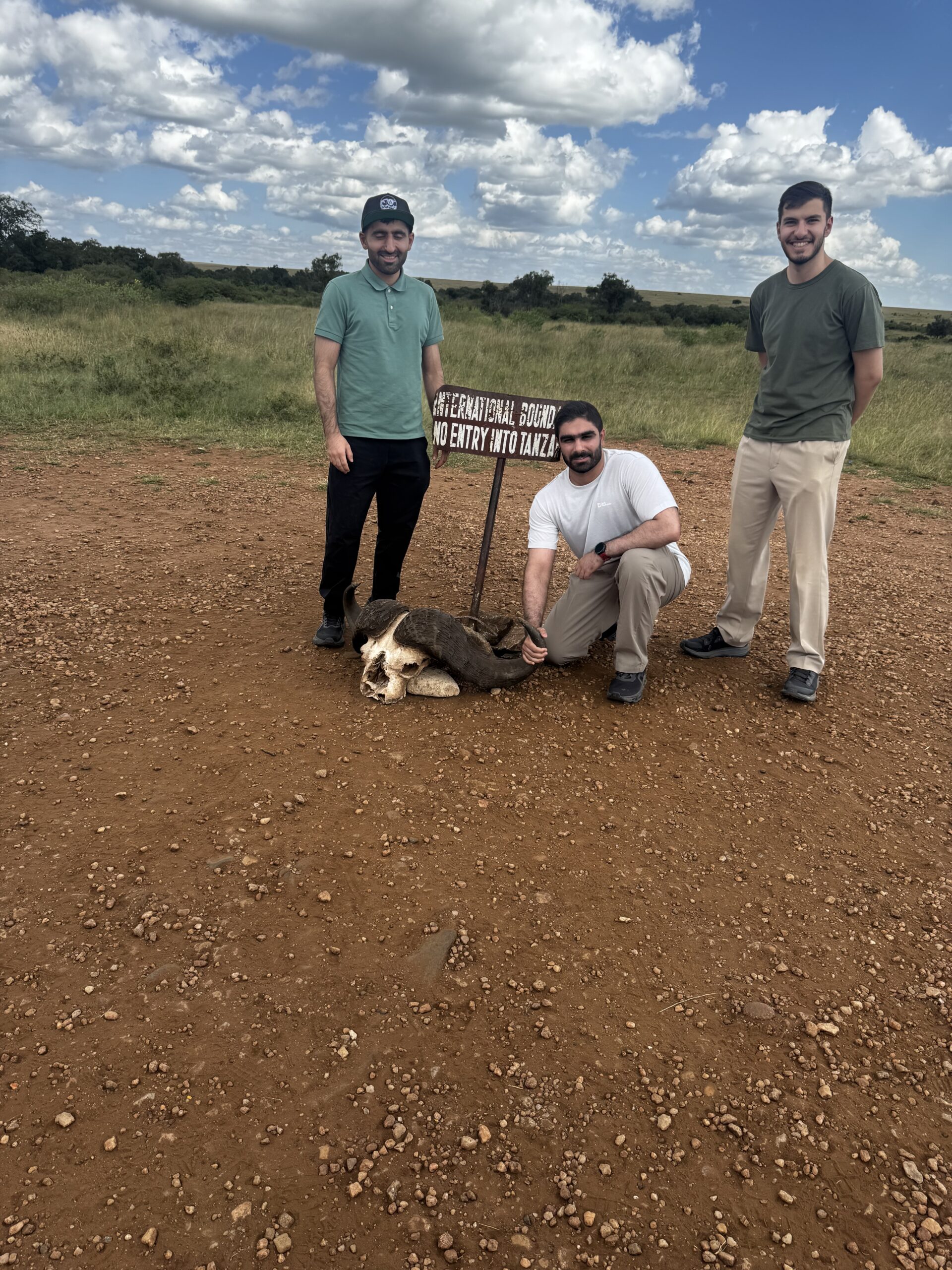
One important distinction: a Kenya-Tanzania combination (one of the most popular safari pairings) does not require the EATV — a standard Kenya eTA covers re-entry into Kenya from Tanzania while it remains valid, since Tanzania is not part of the EATV agreement.
Yellow Fever: What’s Actually Required vs. Just Recommended
This is where most confusion happens. Kenya’s yellow fever rule is conditional, not universal:
- You need a Yellow Fever certificate if you’re arriving from, or transiting through, a country with risk of yellow fever transmission (this includes many African and South American countries).
- You do not need one if you’re flying directly from a non-endemic region — the UK, US, mainland Europe, and similar low-risk countries.
The certificate itself — the International Certificate of Vaccination or Prophylaxis (ICVP), often called the “yellow card” — is valid for life under current WHO guidelines; the previous 10-year expiration was eliminated in 2016 and this remains unchanged in 2026.
A practical note for safari travelers: even where not strictly required for Kenya entry, many travel clinics recommend the vaccine anyway if your broader itinerary includes a country where it is compulsory — Uganda, for example, requires it for all international visitors regardless of origin. Confirm your full multi-country routing with a travel health provider before deciding whether to skip it.
Malaria Prevention
Unlike yellow fever, there’s no certificate requirement for malaria — but the health risk itself is real and worth taking seriously:
- Malaria risk is present across most of Kenya, including nearly all safari destinations.
- Nairobi carries lower, but not zero, risk.
- High-altitude areas above roughly 2,500m carry minimal risk.
Common prophylaxis options include atovaquone/proguanil (Malarone), doxycycline, and mefloquine — each with different timing, side-effect profiles, and suitability depending on your health history. This is a decision to make with a doctor or travel health clinic, not from a blog post; bring your full itinerary to that appointment so they can tailor advice to the specific regions you’re visiting.
Other Vaccines Worth Discussing With Your Doctor
Beyond yellow fever and malaria, most other vaccinations for Kenya are recommended rather than mandatory. Commonly discussed options include:
- Hepatitis A — recommended given food and water exposure risk while traveling.
- Typhoid — same rationale as Hepatitis A.
- Routine vaccines — ensuring boosters like tetanus and polio are current.
- Rabies (pre-exposure) — often discussed for safari travelers, particularly families with children, given the presence of monkeys at lodges and stray animals in some areas.
None of this is medical advice — it’s a starting point for the conversation you should have with a doctor or accredited travel clinic 6–8 weeks before departure, since recommendations vary by exact itinerary, age, pregnancy status, and personal health history.
COVID-19 and Other Current Health Notes
As of 2026, Kenya has no COVID-19 vaccination or testing requirements for travelers — all pandemic-era entry restrictions have been lifted. The Ministry of Health notes that only travelers presenting flu-like symptoms on arrival may be asked to complete a passenger locator form.
Frequently Asked Questions
Do I need a visa to visit Kenya in 2026? No — Kenya replaced its visa system with the eTA in 2024. Most travelers need an approved eTA rather than a traditional visa, applied for online before departure.
Is visa-on-arrival still available for Kenya? No. Visa-on-arrival was fully phased out alongside the shift to the eTA system. You must have your eTA approved before boarding your flight.
How much does the Kenya eTA cost? Approximately $30–34 USD as of 2026, though this can change — always confirm the current fee directly on etakenya.go.ke before applying.
Do children need their own eTA? Yes. Every traveler, regardless of age — including infants — requires an individual eTA application.
Do I need a yellow fever vaccine for Kenya? Only if you’re arriving from or transiting through a country with yellow fever transmission risk. Direct flights from non-endemic regions like the UK, US, or Europe do not require it.
Is malaria medication required to enter Kenya? No, there’s no entry requirement, but malaria risk is present across most safari regions and prophylaxis is strongly recommended — discuss options with a doctor or travel clinic before departure.
Where should I apply for my Kenya eTA? Only through the official government portal, etakenya.go.ke. Avoid third-party sites charging additional fees for the same application.
This guide reflects verified information as of July 2026. Visa and health requirements can change with little notice — always confirm current entry requirements at etakenya.go.ke and current health guidance with a licensed doctor or travel health clinic before finalizing your trip. This article is general travel information, not medical or legal advice.