
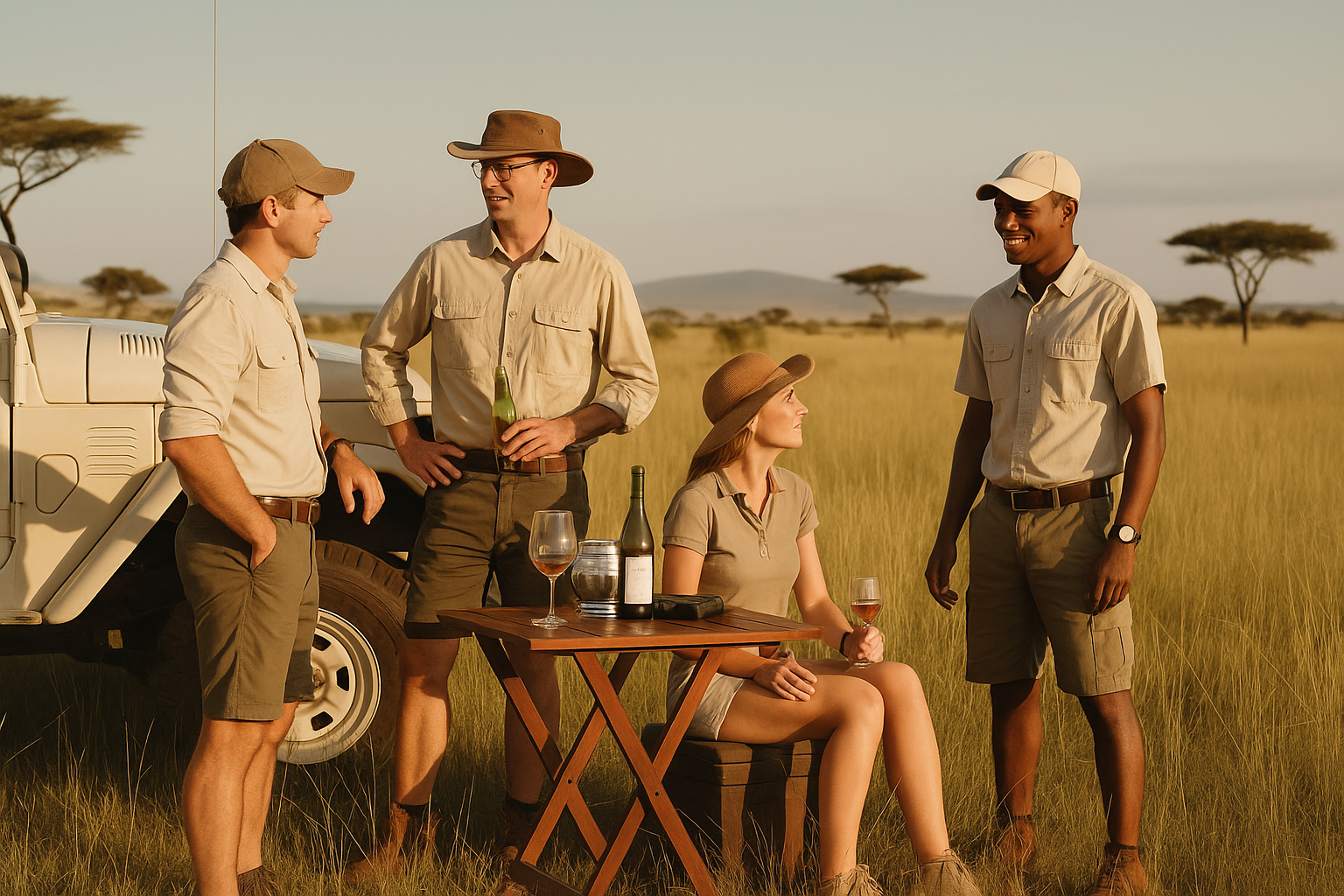
In the Masai Mara, the day unfolds in layers. Dawn begins crisp and cool as the plains exhale the night. By mid-morning, the sun sharpens the horizon, warming the grasslands. Afternoon brings heat, dust, and long drives across open savannah. And when evening falls, the temperature drops again, settling into a gentle chill.
What you wear on safari matters—not for fashion, but for comfort, practicality, and blending into the rhythms of the land.
This guide combines real experience with on-ground practicality to help you pack wisely for your Masai Mara adventure.
If you haven’t checked it yet, your complete packing guide is here:
What to Pack for a Masai Mara Safari.
Understanding Safari Weather in the Mara
The Mara’s climate moves with the seasons, shaping what you’ll actually need.
For a full breakdown of temperatures, rains, grass height, and wildlife behavior, read:
The Seasons of the Masai Mara.
But in simple terms:
Morning: Cool and fresh
Midday: Warm to hot
Evening: Cooling again
Night: Often cold, especially near June–August
Dressing in layers is the key.
The Best Colors to Wear on Safari
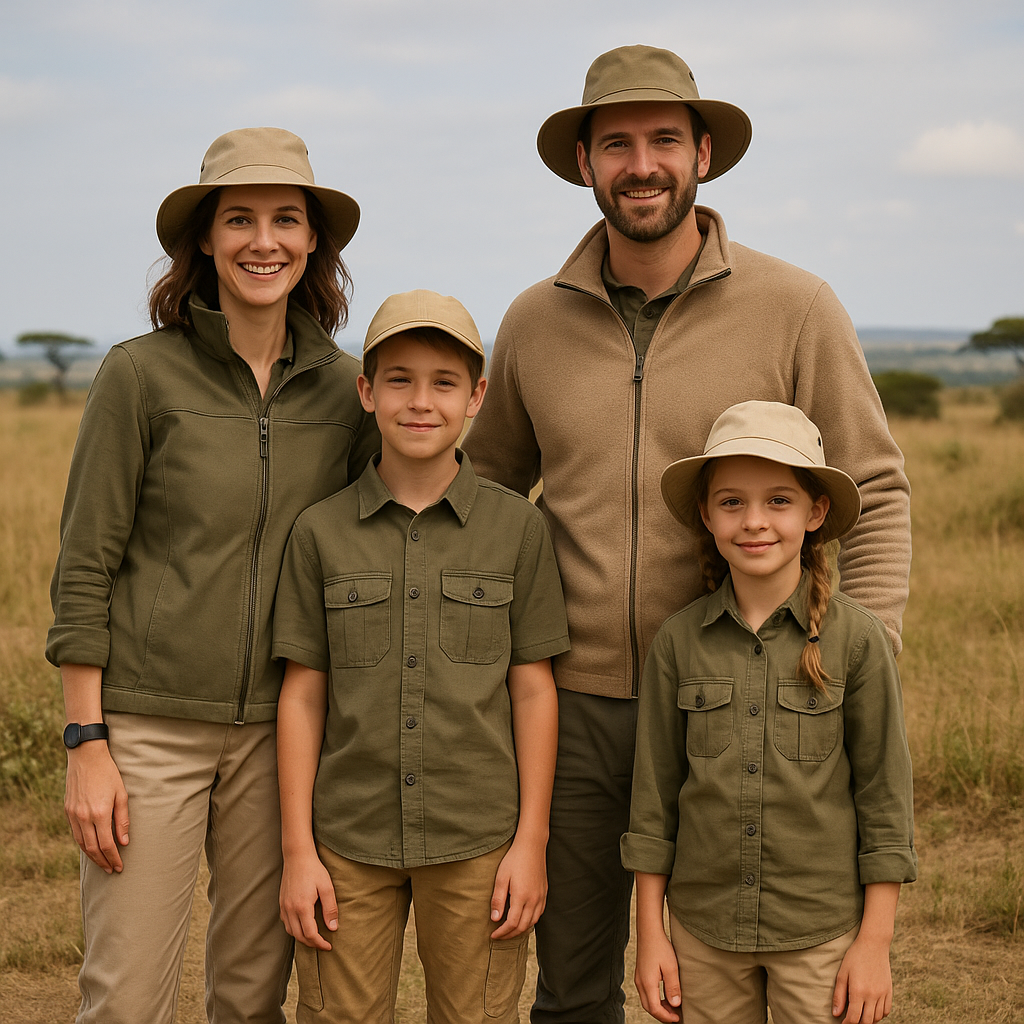
Neutral, earthy tones work best:
• Olive
• Tan
• Khaki
• Grey
• Brown
• Stone
These colors blend with the environment and avoid attracting attention from wildlife. They also stay cooler under the sun and hide dust well.
Avoid:
• White (too bright)
• Red (stands out sharply in savannah landscapes)
• Neon/bright colors
• Black (absorbs heat)
1. Morning Game Drive Outfit: Layer Up
Early mornings in the Mara can be cold, especially during the dry season. Temperatures often surprise first-time visitors. Layering allows you to stay warm at dawn and comfortable by late morning.
Recommended:
• A lightweight fleece or warm sweater
• A windproof jacket
• A breathable cotton or moisture-wicking shirt underneath
• Comfortable safari trousers or jogger-style pants
• Optional scarf or buff for wind protection
By 10am, most visitors remove at least one layer.
2. Midday Safari Outfit: Light, Breathable, Comfortable
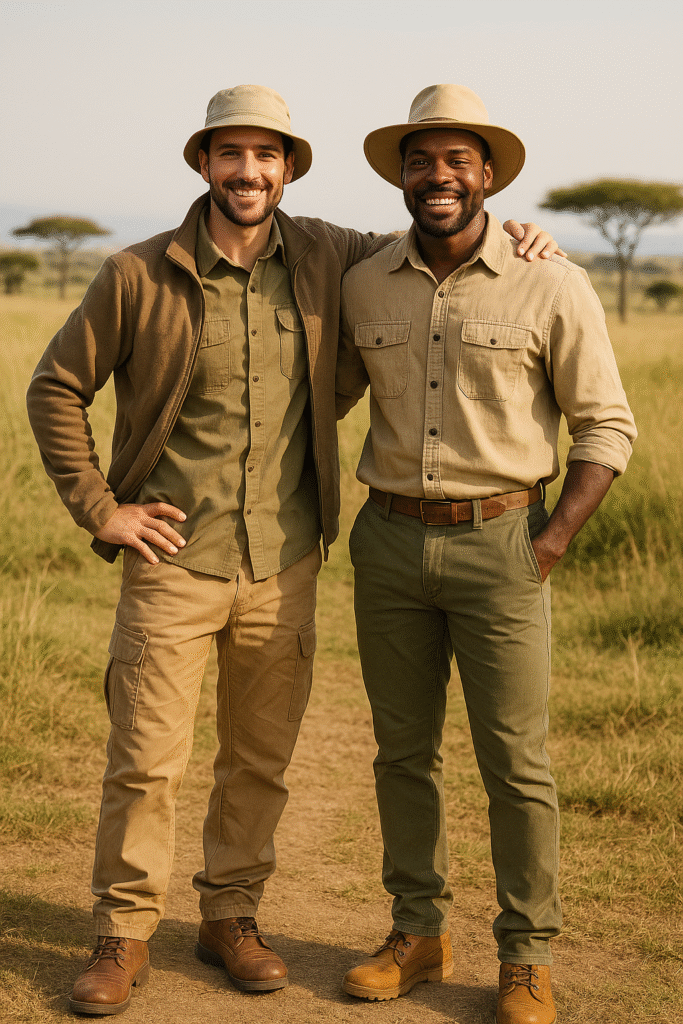
This is when heat builds. Lightweight fabrics make all the difference.
Recommended:
• Short-sleeve or rolled-sleeve safari shirts
• Breathable cotton or quick-dry tops
• Convertible trousers (zip-off legs are a bonus)
• A wide-brim hat
• Sunglasses with UV protection
Light layers keep you cool while protecting you from sun exposure.
3. Evening Game Drive Outfit: Warm Climates Return
Once the sun slips toward the horizon, the plains cool quickly. This is when evening layers matter.
Recommended:
• Warm sweater or fleece
• Light jacket
• Long trousers
• Closed shoes
• A soft scarf for additional warmth
Sunset drives are some of the most atmospheric scenes in the reserve—this is when you truly appreciate extra warmth.
4. Safari Footwear: Keep It Practical
Most game drives do not require heavy hiking boots. You’ll be stepping in and out of vehicles more than walking long distances.
Best options:
• Comfortable sneakers
• Lightweight hiking shoes
• Closed safari shoes with good grip
Avoid:
• Sandals during game drives
• High heels or open shoes
• Pure white shoes (they stain immediately)
5. Hats and Sun Protection
The Mara sun can be intense. A good hat is essential.
Choose:
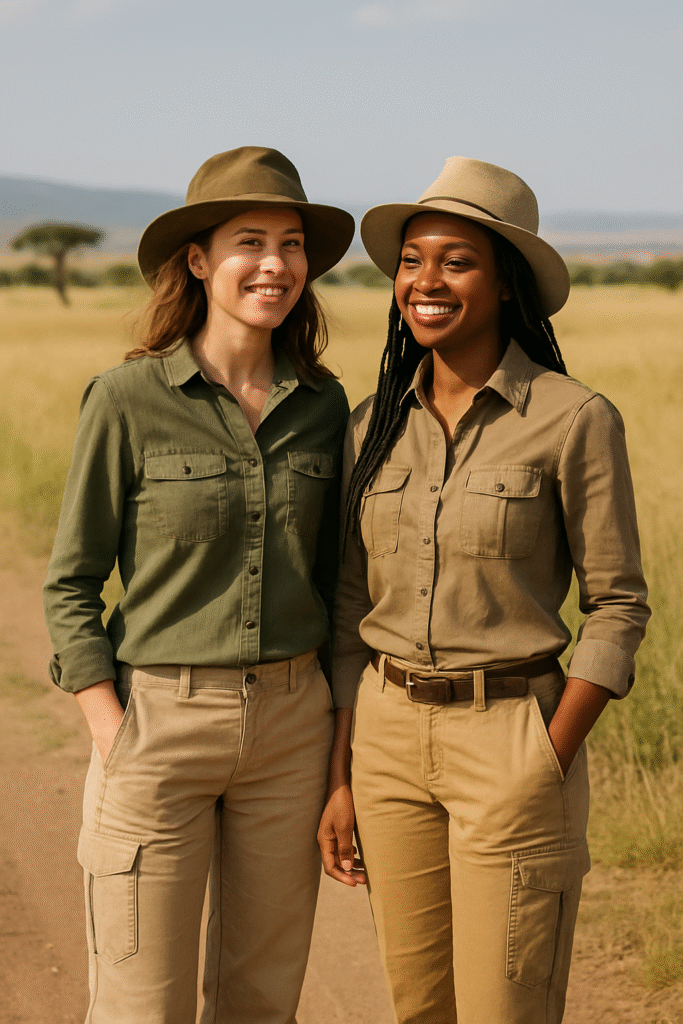
• Wide-brim safari hat
• Canvas or breathable material
• Chin strap for windy days
Avoid baseball caps during full-sun drives—they don’t protect ears or neck.
Combine your hat with sunscreen and polarized sunglasses for maximum comfort.
6. Safari Accessories That Matter
These small items make safari days easier and more comfortable:
• A neck buff (protects from dust on open roads)
• Light gloves for cold mornings
• A compact backpack for layers
• Moisture-wicking socks
• A reusable water bottle
You can find more essential accessories in your packing guide here:
What to Pack for a Masai Mara Safari.
7. Clothing for the Great Migration (July–October)
If your visit aligns with peak migration season, expect more dust, more wind, and more time waiting at river crossings.
Wear:
• Neutral layers
• A strong sun-hat
• A light windbreaker
• Quick-dry clothing
• Closed comfortable shoes
Migration months are covered in detail here:
Best Time to Visit Masai Mara Kenya.
8. What NOT to Wear on Safari
Avoid the following to stay comfortable and respectful of wildlife:
• Flashy colors
• Heavy perfumes or scented lotions
• Tight jeans (uncomfortable in vehicles)
• Short shorts during morning drives (cold + insects)
• Open shoes during bush activities
• Clothing with loud patterns
The goal is to blend in, stay cool, and move comfortably.
9. Evening Lodge Wear: Simple and Comfortable
Most lodges—budget or luxury—are relaxed. No dress code. Evening temperatures drop, so comfort is key.
Recommended:
• Soft trousers or leggings
• Warm sweater
• Long-sleeve shirt
• Comfortable flats or sneakers
• A shawl or light jacket
After dinner, the nights can be cold, especially in June–August.
10. Packing Backup Clothing
Because of dust and long game drives, it’s helpful to pack:
• One extra shirt per day
• One backup sweater
• Spare socks
• A second hat
Small items that help maintain comfort as you move through long days.
Final Thoughts
A safari wardrobe is less about fashion and more about harmony with the land. Neutral tones, breathable fabrics, and thoughtful layering allow you to experience the Mara exactly as it moves—from cold dawns to warm days and back into the cool of evening.
With the right clothing, you become part of the rhythm of the savannah, not fighting it. And when you’re comfortable, you’re free to focus on what truly matters: the sight of a lion rising from golden grass, the slow march of elephants at dusk, and the endless beauty of the Masai Mara.