
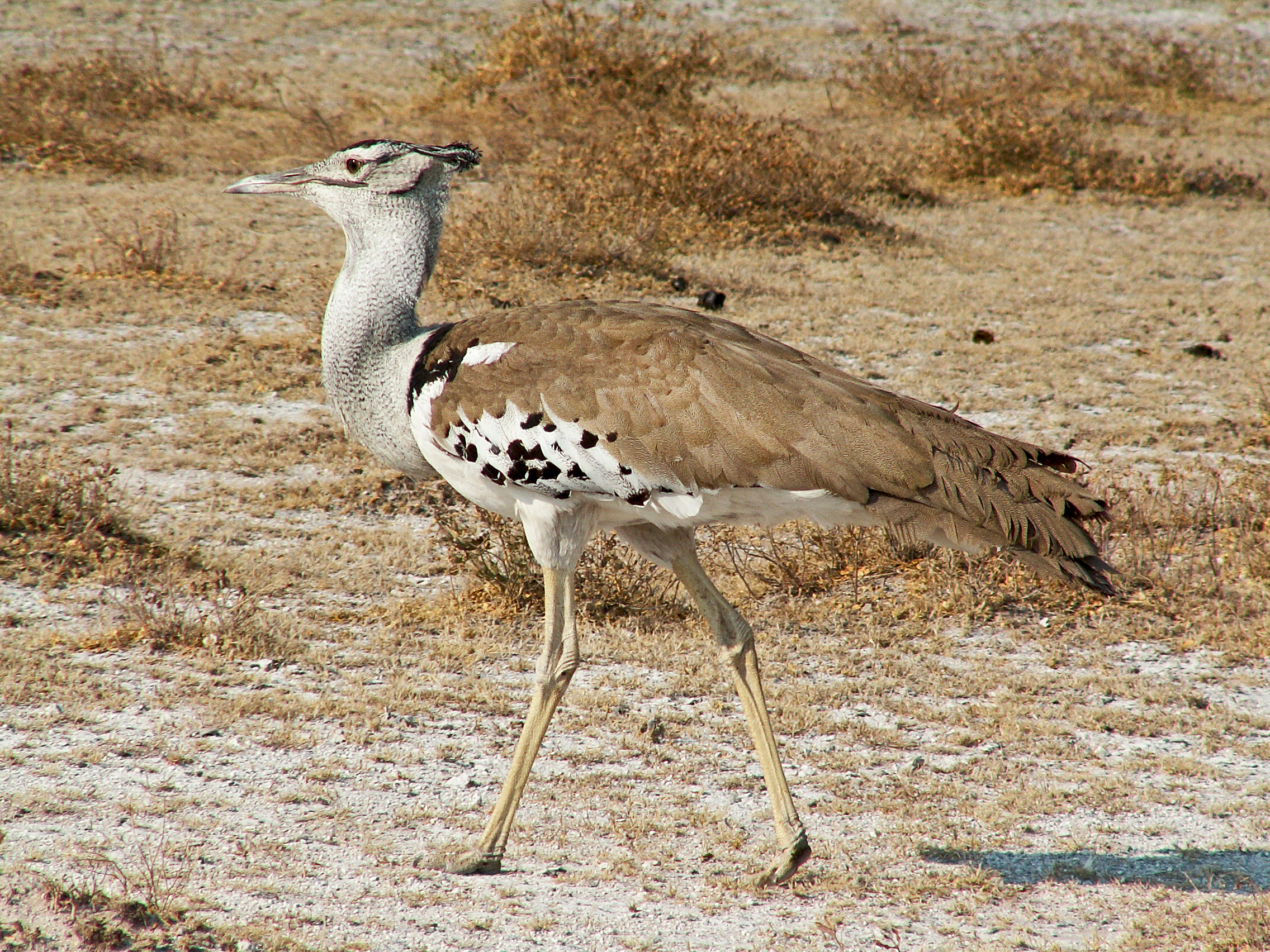
Every dawn in the Masai Mara feels new — as if the land itself is waking from a dream. Clouds roll over golden grass, elephants march in silence, and birds call out to a vast sky. Yet this beauty does not remain constant.
The Mara’s splendor shifts with the seasons, and knowing when to visit can change not just what you see, but how deeply you experience it.
Understanding the Mara’s Seasons
The Masai Mara lies within Kenya’s highland savannahs, part of the great Rift Valley ecosystem. Its altitude keeps temperatures mild year-round, averaging between 12°C at night and 29°C by day.
Rather than four distinct seasons, the Mara moves through a rhythm of wet and dry cycles: the long rains (April–June), the cool dry season (July–October), the short rains (November–December), and the hot dry months (January–March).
See more on Masai mara seasons
Each phase brings its own color, its own pace, and its own story.
July to October: The Great Migration and Cool Dry Season
If there is a single period that defines the Masai Mara, it is the time of the Great Migration.
Between July and October, over a million wildebeest, zebra, and gazelle cross the Mara River from Tanzania’s Serengeti, drawn by Kenya’s nourishing grasslands. The air thrums with hooves and dust.
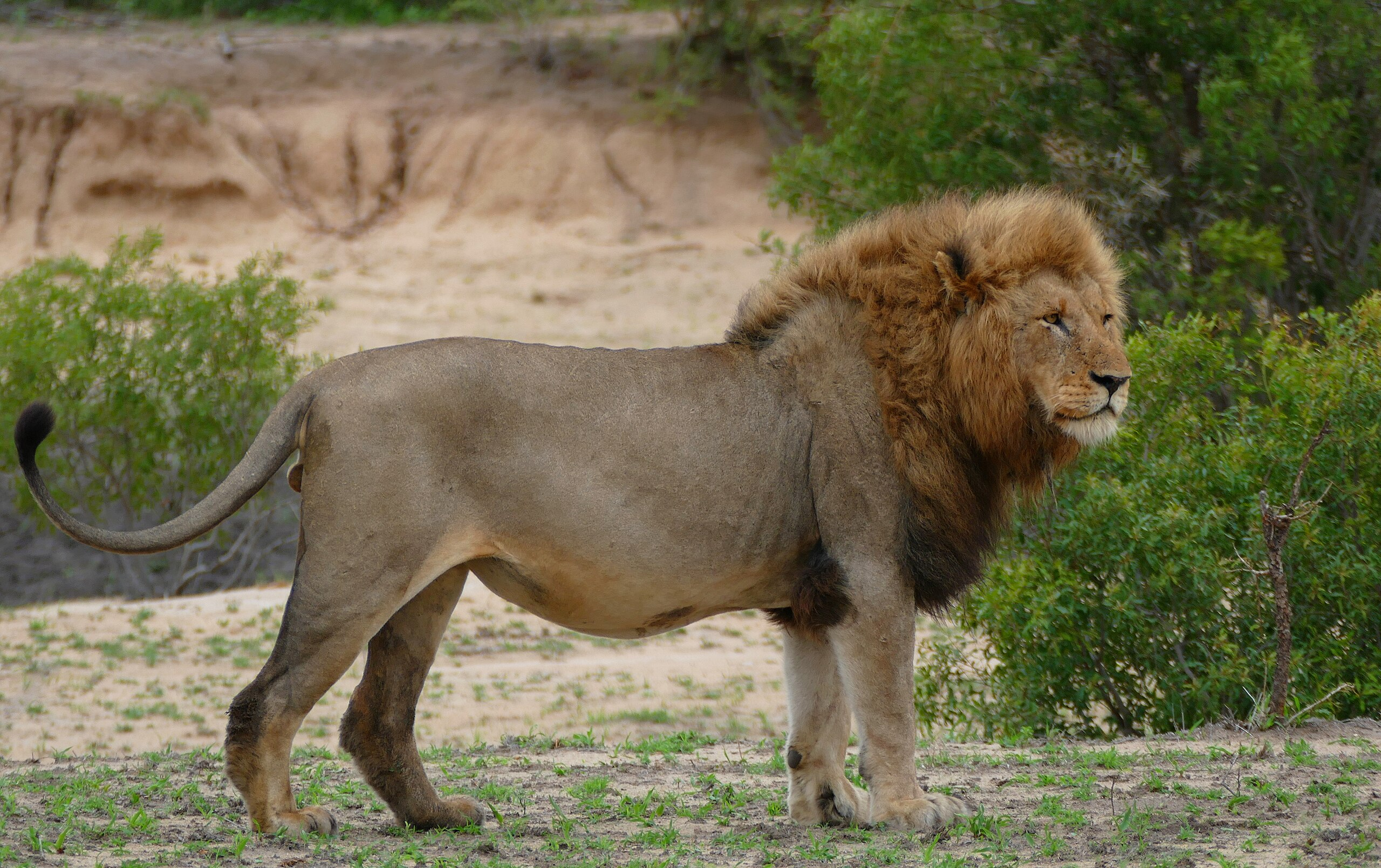
Predators thrive — lions stalk the herds, crocodiles wait in murky waters, and vultures circle high above. For travelers, this is the most dramatic and sought-after time to visit.
Clear skies, cool temperatures, and firm roads make game viewing effortless. The days are bright, the nights crisp, and wildlife is everywhere.
Travel Tip: Book lodges six to nine months in advance; this is the Mara’s busiest season.
November to February: The Green and Birding Season
When the short rains arrive in November, the land transforms once more. The grass flushes green, wildflowers bloom, and migratory birds flood the skies.
This period, extending through February, is the best time for photography and birdwatching. The light softens, the crowds thin, and animals — though more dispersed — appear against a luminous landscape.
Predators remain active, raising cubs amid new vegetation, while elephants move in calm herds through freshly watered plains.
Why Visit Now: Lower prices, clear post-rain air, and the most photogenic landscapes of the year.

March to June: Quiet Months and Long Rains
By March, the heat deepens, and by April, the long rains arrive. These months are less suited to travel, as heavy showers can make roads impassable and lodges close for maintenance.
Yet for those who come anyway, the reward is solitude. The Mara becomes a painter’s world — deep green, heavy with mist and thunderclouds.
Animals remain plentiful, and the air carries the smell of wet earth and life reborn.
Ideal For: Repeat visitors, wildlife photographers seeking dramatic skies, and travelers who value quiet above convenience.
A Year-Round Wonder
Truthfully, there is no bad time to visit the Masai Mara. Each season brings a new rhythm: the thrill of migration, the peace of the green season, the solitude of the rains.
Unlike many safari destinations, wildlife remains year-round. The “best” time depends on what your soul seeks — drama, color, or calm.
“The Mara teaches us that beauty is never fixed; it unfolds with time, like the slow turning of the Earth itself.”

Traveler’s Calendar at a Glance
| Season | Months | Weather | Highlights |
|---|---|---|---|
| Long Rains | Apr–Jun | Heavy rainfall, lush vegetation | Quiet lodges, dramatic skies |
| Cool Dry | Jul–Oct | Clear, cool, dry | Great Migration, peak wildlife |
| Short Rains | Nov–Dec | Light showers, green landscape | Birdwatching, low crowds |
| Hot Dry | Jan–Mar | Warm, dry, dusty | Calving season, predator activity |
Final Reflection: The Best Time Is When You Arrive
Every traveler to the Masai Mara carries a different rhythm within them. Some seek the thunder of hooves, others the stillness of dawn.
Whether you come in the blaze of July or the calm of January, the land will speak in its own voice — of rain and dust, of life unbroken.
The best time to visit the Masai Mara is, simply, when you are ready to listen.