
There are few places on Earth where light, landscape, and wildlife align with such effortless perfection as the Masai Mara. Photographers come here not only to document wildlife, but to witness a world where the sky moves like a slow tide, shadows stretch across grasslands, and the daily rhythm of life unfolds with ancient precision.
The Mara is an open-air studio—vast, unpredictable, breathtaking. It is a place where patience becomes a skill and timing becomes a form of instinct.
Whether you are shooting with a long telephoto lens or exploring wide-angle landscapes, choosing the right locations can transform your experience. The Masai Mara is immense, and while wildlife can appear anywhere, certain regions consistently deliver scenes that feel cinematic, intimate, and alive.
This guide explores the best photography spots across the Masai Mara, the conservancies, and the rivers. For travelers timing their visit, the guide on Best Time to Visit Masai Mara Kenya offers month-by-month details on light and grass height—two factors that shape every photograph.
1. The Mara River — The Epicentre of Wildlife Drama
Nothing compares to the raw energy of the Mara River during the Great Migration. The air fills with dust, the land vibrates under the weight of thousands of hooves, and the river becomes a line between survival and loss.
The scale here is overwhelming. Wildebeest gather at the riverbanks in restless waves, pacing, circling, and hesitating before a leader eventually takes the first leap. In seconds, the entire herd follows, churning the river into a storm of splashes and horns. Crocodiles lie in wait. Photography becomes a test of anticipation rather than pure reaction.
Why it is one of the best photography spots
The Mara River is ideal for capturing:
• fast-action sequences
• dramatic leaps and chases
• predator-prey interactions
• large-scale wildlife compositions
• contrast against rock, water, and dust
The river’s geometry creates naturally layered frames. Rocks foreground your shots, while steep banks form a backdrop that emphasizes depth. Morning and late afternoon light add contrast, turning the scene golden or bronze.
Photographer’s Tip
Crossings are unpredictable. Guides often wait hours or return multiple times. Carry extra memory cards, a 100–400mm or 200–600mm lens, and plenty of patience.
For understanding how river levels and grass conditions vary across seasons, see The Seasons of the Masai Mara.
2. Oloololo (Esoit) Escarpment — The Mara’s Great Wall of Light
The Oloololo Escarpment rises above the Triangle like a colossal stone wave, forming one of the most striking backdrops in the Mara. Here, you are shooting not just wildlife, but the scale of Africa’s geological history.

Morning light spills across the plains below, creating long, soft shadows that wrap around grazing animals. Sunset, however, is the true magic hour. The escarpment catches the last rays of the sun, glowing amber as silhouettes of giraffes and elephants drift across the horizon.
Why photographers love it
• sweeping panoramic landscapes
• perfect silhouettes
• elevated viewpoints
• gentle golden-hour lighting
This region is ideal for photographers who want to balance wildlife and landscape. Balloons drifting below the escarpment at sunrise create surreal, floating compositions.
Photographer’s Tip
Experiment with wide-angle lenses here. The escarpment’s scale frames the entire ecosystem, making it ideal for drone-style storytelling—even without a drone.
3. Talek–Sekenani Corridor — Predator Territory
Between the Talek and Sekenani gates lies one of the Mara’s most predator-rich territories. This corridor is home to several well-known lion prides and some of the Mara’s most confident cheetahs.
Leopards move along the riverine forests, often descending from trees during the soft early-morning light.
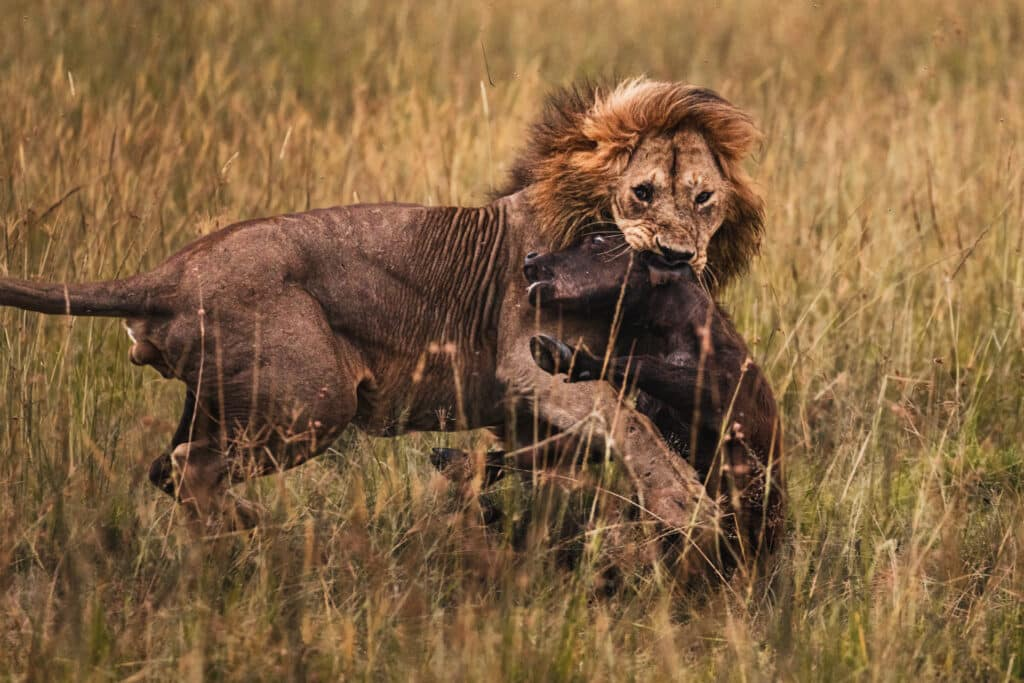
This region is a photographer’s playground, especially at dawn. The cats are active, the grass glistens with dew, and the light sits low and warm across the plains.
Why it stands out
• reliable big-cat sightings
• easy accessibility from many lodges
• dynamic morning and evening light
• excellent for behavioural photography
Photographer’s Tip
Use the landscape to frame your cats. Termite mounds, fallen logs, and acacia trees naturally guide the viewer’s eye.
4. Olare Motorogi Conservancy — Big Cats Without the Crowds
Olare Motorogi is where photographers go when they want world-class sightings without a dozen vehicles surrounding the moment. Here, the conservancy rules limit traffic, allowing big cats to behave naturally and offering you uninterrupted compositions.

Cheetahs frequently hunt on these open plains. Lions rest in tall grass, then rise as the sun drops, offering golden-hour portraits with perfect side-lighting.
Why it is exceptional
• high predator density
• controlled visitor numbers
• off-road access for positioning
• more space to follow hunts
Photographer’s Tip
If you prefer patient, quiet, immersive photography, Olare Motorogi is unmatched.
For lodges with expert photography guides in this region, see Masai Mara Luxury Resorts.
5. Naboisho Conservancy — Low Light, High Atmosphere
Naboisho is a conservancy that feels almost cinematic. Sometimes morning mist hangs low over the ground, scattering light into soft beams. Lions roam through this haze, creating some of the Mara’s most atmospheric photographic conditions.
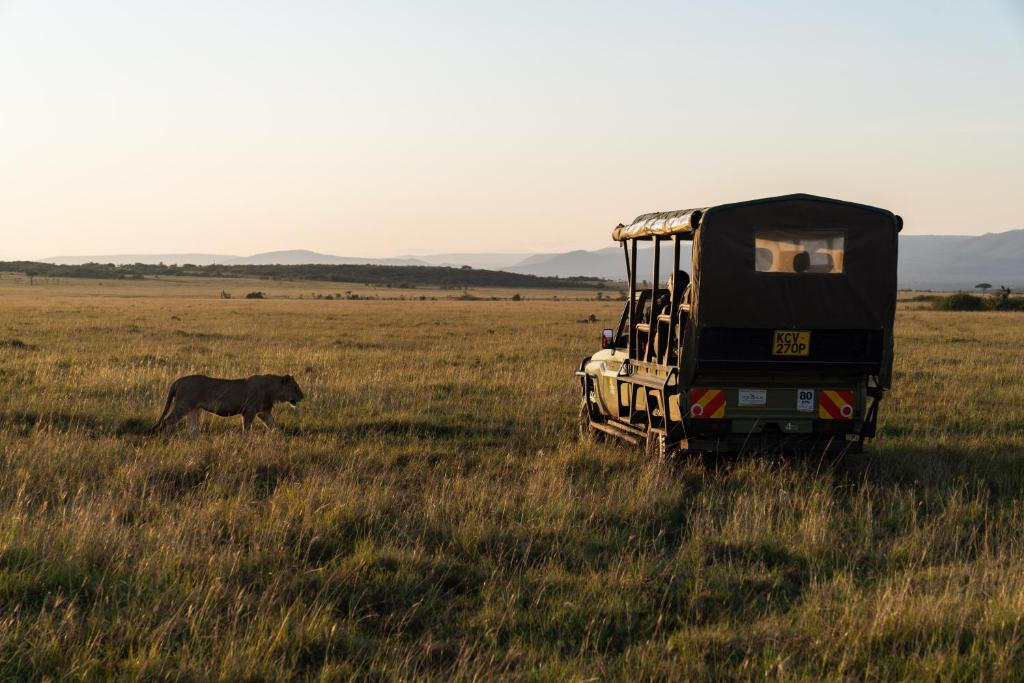
This is also one of the few places where night drives are permitted, opening opportunities for entirely different storytelling—hyenas illuminated in spotlight, lions crossing roads at dusk, and nocturnal species seldom seen in the main reserve.
Why it is special
• moody, low-contrast lighting
• dramatic early-morning mist
• night photography possibilities
• high density of lions
Photographer’s Tip
Bring a fast lens (f/2.8 or wider) for night shots. Stabilization helps, but high ISO performance is essential.
6. Musiara Marsh — The Classic Documentary Look
Musiara Marsh is where wildlife documentaries were born. This wetland area creates a biodiverse hotspot where prey and predator converge. Elephants move slowly through shallow water, lions rest in shaded reeds, and buffalo herds pass through like dark clouds.
What makes Musiara particularly attractive to photographers is the texture of the landscape. Reeds, shallow pools, sweeping grass, and patches of earth create layered backgrounds that feel natural and cinematic.
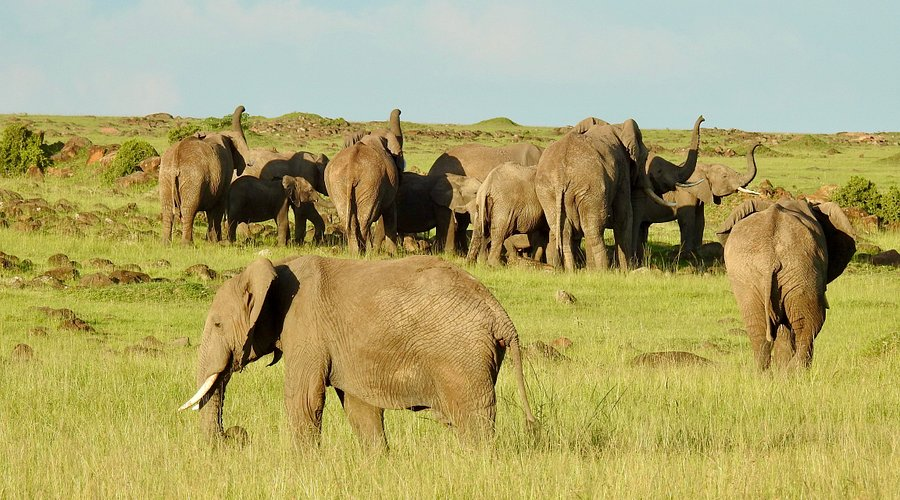
Why it is a top photography area
• consistent predator sightings
• beautiful layered compositions
• lush green backgrounds
• documentary-level scenes
Photographer’s Tip
Overcast days produce soft, diffused light—perfect for even skin tones on lions and leopards.
7. Paradise Plains — Home of the Cheetah
Paradise Plains is an open expanse with wide views. Here, cheetahs dominate the narrative. The flat land gives them visibility to spot prey, and for photographers, it provides clean compositions free from obstructions.

This is the place to capture motion: sprints, stalks, leaps, chases. Paradise Plains rewards photographers willing to wait for the moment the chase begins.
Why it is outstanding
• world-class cheetah sightings
• minimal visual clutter
• superb for panning techniques
• wide horizons for dramatic framing
Photographer’s Tip
Switch to continuous autofocus (AI Servo/AF-C). Track movement early—just before the chase begins.
8. The Mara Triangle — Peaceful, Wide, and Beautiful
The Mara Triangle is managed separately from the main reserve, resulting in better road conditions, cleaner landscapes, and fewer vehicles. This makes it a haven for photographers seeking space.
The western side of the river offers rolling hills, quiet river crossings, and sweeping views perfect for landscape-wildlife hybrids.

Why photographers value it
• less traffic
• cleaner riverfronts
• strong backlight opportunities
• dramatic evening storms across the plains
Photographer’s Tip
Use the hills to capture layered, multi-depth wildlife scenes—elephants in the foreground, plains behind, storms in the distance.
9. Sand River — Intimate Migration Scenes
While less famous than the Mara River, Sand River offers quieter, more intimate migration crossings. The riverbanks are softer, the views more unobstructed, and the crowds significantly fewer.
The rocks along Sand River create perfect foreground interest for wide-angle shots. Elephants often appear here as well, giving you a balance of large mammals and dramatic seasonal action.

Why it is worth visiting
• calmer migration photography
• excellent light
• low vehicle traffic
• beautiful natural framing
Photographer’s Tip
Ideal for sunset photography. The river reflects warm tones beautifully.
10. Hot Air Balloon Route — The Mara From the Sky
Few photography experiences match the serenity and grandeur of a balloon safari over the Mara. As the balloon rises, the landscape spreads out beneath you like a living map—motion, patterns, and shadows moving across the plains.

Herds become dark clusters, rivers become silver ribbons, and early-morning light paints the savannah in gentle colors.
Why this is unmissable
• sunrise over the plains
• aerial patterns of wildlife
• storytelling compositions
• dramatic use of scale
Photographer’s Tip
Shoot wide. Capture the expanse, then switch to telephoto for herds moving in formation.
For lodge-based balloon starting points, see Top 10 Lodges in the Masai Mara.
Final Thoughts — Where Story Meets Light
The Masai Mara is not just a place to photograph wildlife—it is a place to encounter rhythm, silence, tension, and beauty. The best photographs come from understanding the land: how the light bends around the escarpment, how predators move at dawn, how storms sweep across open plains, how a herd waits before crossing a river.
Each spot in this guide offers its own story. Together, they create the full narrative of the Mara—vast, ancient, unpredictable, and unforgettable.
With patience, the right timing, and a willingness to wait for the land to reveal its mood, every photographer leaves the Masai Mara with images that feel alive.